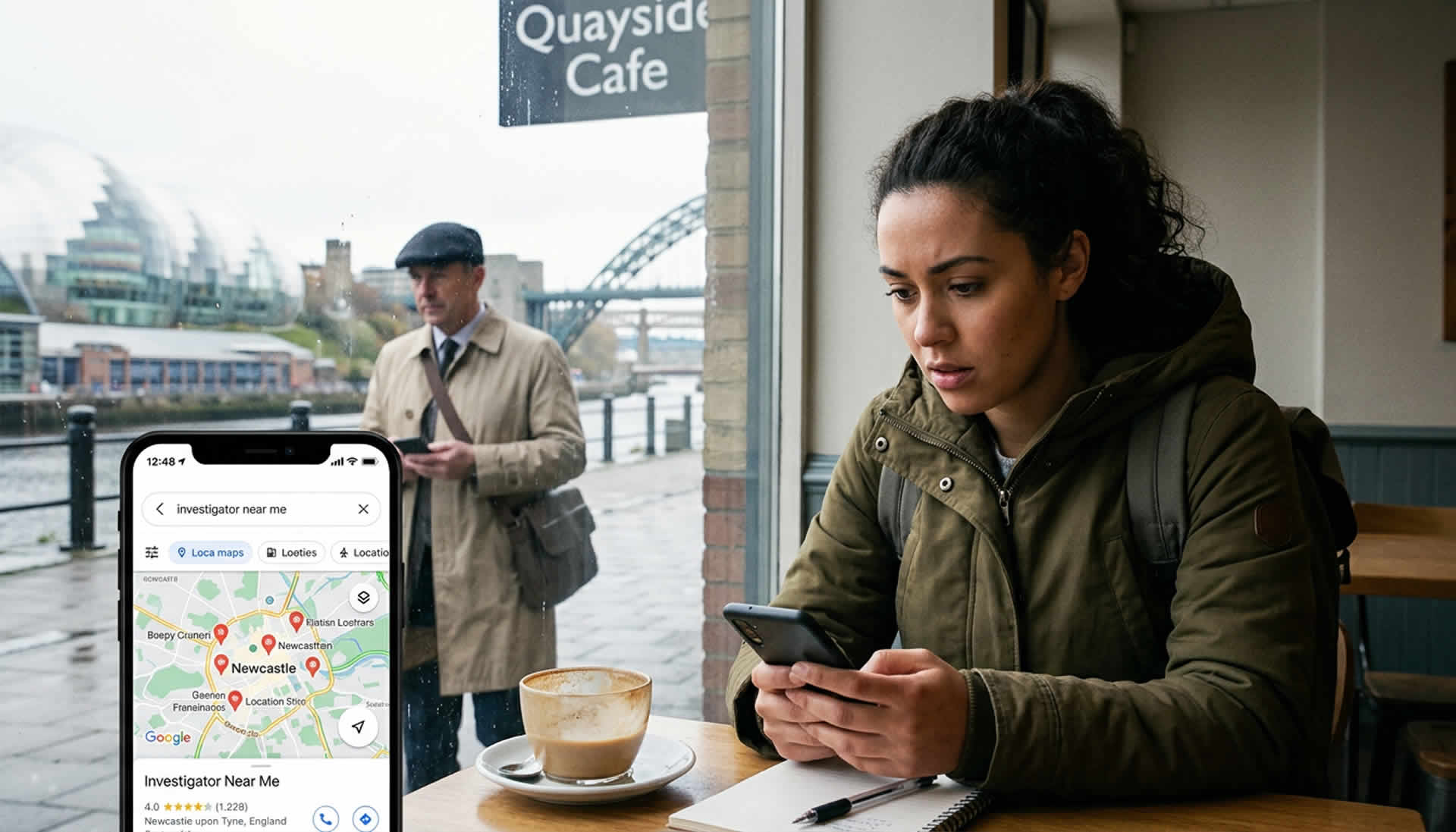
Online dating fraud, also known as romance scams, is a type of cybercrime where fraudsters create fake profiles on dating platforms, social media, or messaging apps to exploit emotionally vulnerable individuals for financial gain. These scammers use psychological manipulation to build trust and establish a romantic relationship with the target before deceiving them into sending money, personal information, or other valuable assets.
How Online Dating Fraud Works:
- Creating Fake Profiles:
- Scammers typically create fake profiles with attractive or relatable photos and fake personal details. They often use stolen images of attractive people or impersonate military personnel, professionals, or successful businesspeople to appear trustworthy.
- They may pose as someone living abroad or deployed in the military to explain why they can’t meet in person.
- Establishing Trust and Emotional Connection:
- Fraudsters start by communicating regularly and intensely, often expressing strong emotions early in the conversation. They might claim to have fallen in love quickly or be eager to start a serious relationship.
- They will spend time getting to know the victim, offering sympathy and attention, and using flattery to build a deep emotional connection.
- Scammers may try to move the conversation off the dating site to messaging apps or email, where their activities are less monitored.
- Gaining Sympathy and Trust:
- Once trust is established, the scammer often shares fabricated stories to manipulate the victim emotionally. For instance, they may claim to be in a difficult situation (e.g., a family emergency, medical crisis, or financial trouble).
- Some may send small gifts or tokens of affection to increase the victim’s sense of commitment and trust.
- The “Ask”—Requests for Money:
- Eventually, the scammer asks for money, often citing urgent reasons. They may claim they need funds for medical expenses, travel, business deals, or to get out of a bad situation.
- In some cases, they may request money multiple times, either in small amounts at first or escalating to large sums, always offering a promise of repayment or reunion.
- Payments are often requested via untraceable methods like wire transfers, cryptocurrency, gift cards, or prepaid debit cards, making it hard for victims to recover their money.
- Disappearance or Further Exploitation:
- Once the victim sends money, the scammer may disappear or continue to ask for more funds under new pretexts.
- In some cases, the scammer may even try to blackmail the victim, especially if the victim shared compromising information or photos during their communications.
Common Signs of Online Dating Fraud:
- Too Good to Be True:
- The scammer may seem too perfect: attractive, successful, and emotionally available. They may express feelings of love or deep attachment unusually quickly.
- Reluctance to Meet in Person:
- The scammer will often come up with excuses to avoid meeting in person. They may claim to be working overseas, deployed in the military, or facing some legal or personal issues that prevent them from travelling.
- Requests for Money:
- The most obvious sign of a scam is when the person starts asking for financial help, especially if they ask for money early in the relationship or have an elaborate, emotional story to justify their request.
- Poor Grammar or Inconsistent Communication:
- Many online scammers operate from countries where English may not be their first language. Their messages may contain grammatical errors or inconsistencies in their stories over time.
- Moving the Conversation Off the Platform:
- Scammers often want to communicate outside the dating app or website where the relationship started. They may request to move to WhatsApp, email, or phone calls to avoid detection on the platform.
- Complicated Stories:
- Scammers often fabricate elaborate stories, such as having a business overseas, dealing with a family crisis, or facing legal troubles, to explain their inability to meet in person or their need for money.
- Urgency and Secrecy:
- They often create a sense of urgency in their requests and may ask the victim to keep the relationship or the requests for money a secret from family or friends, claiming they don’t want to be judged.
Protecting Yourself from Online Dating Fraud:
- Verify Identity:
- Conduct reverse image searches on profile pictures using tools like Google Images or TinEye to see if the images are used elsewhere on the web. Scammers often use stolen or stock photos.
- Ask for a video call or live chat early in the conversation to confirm the person’s identity.
- Beware of Red Flags:
- If someone quickly professes love, asks for money, or avoids meeting in person, these are significant warning signs. Be cautious if their profile seems too perfect or if their story keeps changing.
- Do Not Send Money:
- Never send money to someone you haven’t met in person, no matter how compelling their story is. Scammers often use emotional manipulation to get victims to part with their money.
- Keep Conversations on Dating Platforms:
- Stick to communicating within the dating platform, as reputable sites often monitor conversations for signs of fraud.
- Protect Personal Information:
- Don’t share personal details like your home address, workplace, or financial information with someone you’ve met online. Scammers can use this information to commit identity theft.
- Report Suspicious Behaviour:
- If you suspect someone is a scammer, report their profile to the dating site administrators and block them from further contact.
- You can also report dating fraud to your local law enforcement or online fraud protection agencies such as the Federal Trade Commission (FTC) in the U.S. or Action Fraud in the UK.
What to Do If You’re a Victim of Online Dating Fraud:
- Stop Communication Immediately:
- Cease all contact with the scammer as soon as you realise it’s a fraud. Do not send any more money or personal information.
- Report the Fraud:
- Report the incident to the dating platform or social media site where the fraud took place.
- File a report with your local law enforcement and the appropriate fraud agencies (e.g., FTC in the U.S., Action Fraud in the UK, or the Internet Crime Complaint Centre – IC3).
- Notify Your Bank or Financial Institutions:
- If you sent money or provided bank details, contact your bank or credit card company to try to reverse the transaction and protect your accounts from further fraud.
- Protect Your Identity:
- If you’ve shared personal or financial information, consider monitoring your credit reports and accounts for suspicious activity.
- Use identity theft protection services to safeguard against further financial harm.
- Support and Counselling:
- Falling victim to an online dating scam can be emotionally devastating. Consider seeking support from friends, family, or professional counsellors to help recover from the emotional and financial loss.
Notable Online Dating Fraud Scams:
- Military Romance Scams: Scammers often impersonate military personnel stationed overseas. Claiming to need money to return home or for medical emergencies.
- Inheritance/Wealth Scams: Some scammers pose as wealthy individuals or heirs to a fortune, only to claim their money is temporarily inaccessible and ask the victim for financial assistance.
- Medical Emergency Scams: The fraudster might pretend to fall ill or have a sick family member and ask for help with hospital bills or medication costs.
- Travel and Visa Scams: The scammer claims to need money for travel expenses, visas, or legal fees to visit the victim but never follows through on their promise.
Conclusion:
Online dating fraud is a sophisticated and emotionally manipulative crime, but by being aware of the signs and taking protective measures, you can avoid falling victim to these schemes. Always approach online relationships with caution and skepticism, and never let emotional pressure cloud your judgment.
Would you like more specific information on reporting these scams or further advice on protecting yourself?
If you suspect someone is not being Honest and you may be a victim of Online Dating Fraud, call us today. We can help! Our Background Checks are one of the tools we can use to see if a person is who they say they are. Call us today for help: 0191 381 0039